
Professional service service provider, pre site attendance documents and RAMS, automatic update of company annual document, insurances etc. Professional thorough service engineers, arrive on time, full report before leaving, informative paperwork at time of visit, full report backed up on the portal.
Pressure System Written Scheme Inspection
What our customers have to say….
We find Mandate Systems reliable, consistent and with high calibre engineers. They arrange to undertake our pressure system safety examinations & WSE’s during our factory shutdown and they have never run over, let us down or cut any corners. We are allocated the same engineers who manage the programme of examinations every year, this is thorough and in depth. They know the site and we know they are incredibly experienced in their field.
Mandate Systems are an efficient and highly professional organisation. They test the system, but don’t just fail items, they look at possible solutions and help where they can. We’ve used them for years and can’t recommend them highly enough.
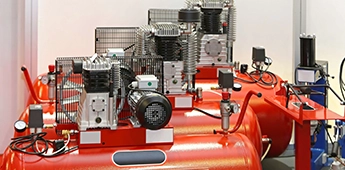
The following types of pressurised systems are likely to require a WSE to be in operation:
- Compressed air systems where the vessel has a pressure x volume product greater than 250 bar litres (This is calculated by multiplying the maximum operating pressure of the vessel in bars by the size of the vessel in litres – bars x litres )
- Mixed compressed gas systems such as Oxygen, Argon, Helium, Bio Gas, Nitrogen etc
- Gas-loaded hydraulic accumulators, if forming part of a pressure system
- Heating systems with an expansion vessel greater than 250 Bar litre
- All steam products such as sterilisers, autoclaves, generators boilers
- Pressure cookers
- Vapour compression refrigeration system where the installed power exceeds 25 kW
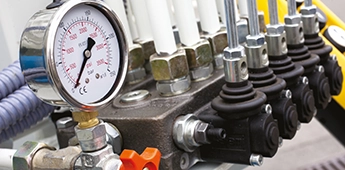
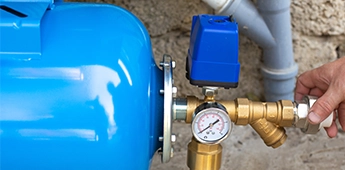
- Protective devices such as pressure gauges, safety valves, pipework, level indicators, pressure and temperature switches
A written scheme of examination (WSE), is a legal document required prior to use of pressure systems. This is legislated by UK regulations detailed in Pressure System Safety Regulations 2000 (PSSR). It details items within a pressure system that necessitate examination by a competent person.
As specified in Regulation 8.1 of PSSR “The user of an installed system and owner of a mobile system shall not operate the system or allow it to be operated unless they have a written scheme for the periodic examination, by a competent person”.
The competent person will identify which items of the pressure system fall within the scope of the WSE, such as pressure vessels, protective devices and pipework. Once these items have been established, the frequency of examinations will be outlined.
The HSE have created a quick guide for owners to use to ensure compliance to the regulations. Click here for a free copy https://www.hse.gov.uk/pubns/indg178.pdf
Review
The WSE must remain relevant to the pressure system it relates to and therefore requires periodic reviews. Frequency of reviews may vary depending on the competent person and will be noted in your written scheme.
Supporting your written schemes
Mandate Systems are equipped to provide full UK competent person services for minor, immediate and major pressure systems, therefore we can fully complete all pressure testing written scheme of examinations and reviews for pressure vessels. Mandate have technically qualified and experienced staff with knowledge of the law, codes of practice, examination and inspection techniques. We also have a thorough understanding of the effects of operation for the system concerned, all supported by our in-house Chartered Engineer.
Find out a cost using this quick quote form:
Frequently Asked Questions
Mandate Systems is packed with guidance and advice on Pressure Systems Safety, but we have also provided answers to some frequently asked questions. Please let us know if there is a question you would like the answer to that isn’t listed here.
A WSE is a legal document that is required on most pressure equipment under the Pressure System Safety Regulations 2000 (PSSR). The WSE lists the components within a system, examinable items and the frequency these should be examined. This is all noted in your WSE.
It is a common misconception that new equipment does not require a WSE, however this is incorrect. All equipment that falls under the regulations must have a WSE in place before it is used for the first time, regardless of age.
Any person deemed competent to create a WSE document can do so if they have the relevant experience and knowledge, however the WSE document must be certified by either an Incorporated or Chartered Engineer, depending on the system size (usually this will require Chartered Engineer qualification sign off).
Under the Pressure Systems Safety Regulations you must have a WSE in place prior to the use of the system. This system will include a rigid vessel and a relevant fluid, mainly gas (carbon dioxide, nitrogen, argon, steam among others), with a pressure at 0.5 bar or above excluding steam, which is at any pressure.
The competent person determines the frequency of examination by item, and notes this in your written scheme. It is most common for the items to be examinable every 12 months.
This is a legal requirement under the Pressure Systems Safety Regulations 2000 (PSSR) and is enforced by the Health and Safety Executive (HSE) and Local Authority. If the regulations are not adhered to, unlimited fines or prosecution from HSE are a possibility.
Equipment capable of operating at 250 bar litres or above, or steam at any pressure, will fall under the regulations. To work this out multiply the maximum working pressure X vessel volume – e.g. 10.0 bar x 50 litre = 500 bar litre.
The WSE is the obligation of the owner so hire units should be covered by the owner of the equipment, unless otherwise agreed.
The written scheme should be completed by an independent body so that impartiality can be proven. This can be completed by a service provider as long as they are competent in this field and impartiality can be evidenced. It is paramount to note however, that the person certifying the WSE must also have the relevant qualifications (e.g. Incorporated or Chartered Engineer).